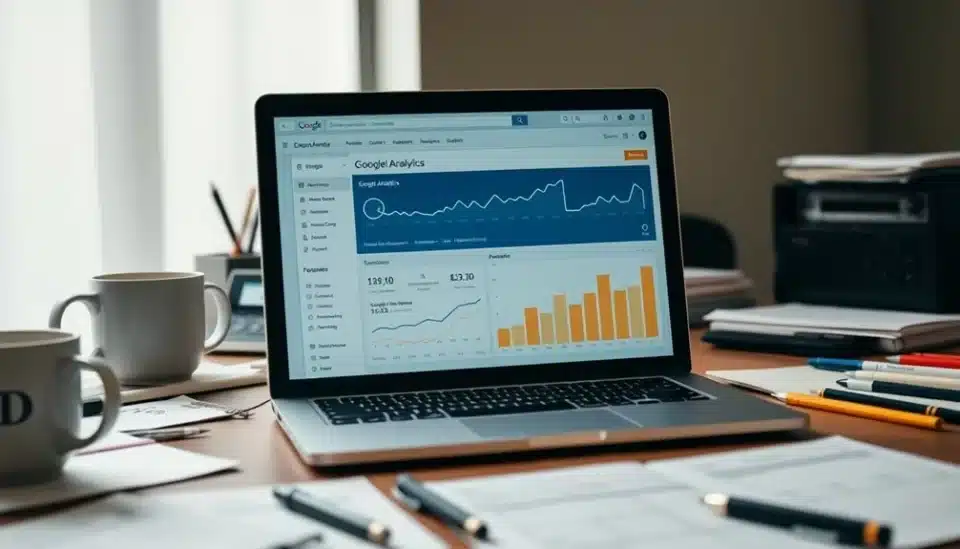
You're sitting on a goldmine of data in your e-commerce platform, and analytics is the key to revealing insights that drive business decisions. By tapping into customer behavior, sales trends, and marketing effectiveness, you'll identify areas for improvement and opportunities for growth. You'll learn how to segment your customers, forecast sales, and measure the effectiveness of your marketing campaigns. As you harness the power of analytics, you'll start to see trends and patterns emerge, informing your strategies and optimizing your operations. And as you continue to refine your approach, you'll discover even more ways to boost revenue and drive business success.
Key Takeaways
- Analytics in e-commerce provides insights into customer behavior and preferences, enabling businesses to tailor offerings and enhance customer experience.
- Key metrics to track and analyze include conversion rates, cart abandonment rates, traffic sources, retention rates, and customer segmentation.
- Identifying trends and patterns in customer behavior, such as purchase patterns and cart abandonment insights, informs tailored marketing strategies.
- Using data to improve customer experience involves personalization strategies, product recommendations, pain points identification, and guided improvements to processes.
- Optimizing marketing strategies with data involves targeted campaigns, content performance analysis, engagement assessment, channel attribution modeling, and ad spend optimization.
Why Analytics Matters in E-Commerce

In the world of e-commerce, insight is power. You need to understand your customers, their behavior, and their preferences to stay ahead of the competition. That's where analytics comes in. By analyzing data, you can gain valuable insights that inform your business decisions.
For instance, customer segmentation helps you identify high-value customers, their demographics, and shopping patterns. This information enables you to tailor your marketing efforts, improve customer experience, and increase loyalty. With a thorough approach to e-commerce development services, DreamSite Gurus guarantees that data-driven strategies are at the forefront of your online business.
Analytics also plays an essential role in sales forecasting. By analyzing historical sales data, seasonality, and trends, you can predict future sales and adjust your inventory, pricing, and promotions accordingly. This helps you avoid stockouts, overstocking, and lost sales.
Furthermore, analytics helps you measure the effectiveness of your marketing campaigns, identify areas for improvement, and optimize your spending. With data-driven insights, you can make informed decisions, reduce risks, and drive business growth.
Setting Up E-Commerce Analytics Tools
You've seen the impact analytics can have on your e-commerce business, from informing marketing efforts to predicting sales.
Now it's time to set up the tools that'll help you collect and analyze this data. Most e-commerce platforms offer built-in analytics tools, but you may also want to weigh third-party options for more advanced features.
Utilizing proper SEO strategies can enhance your analytics by providing valuable insights into customer behavior and traffic sources.
When setting up your analytics tools, contemplate the following:
- Data integration: Can the tool integrate with your existing e-commerce platform, as well as other data sources like social media and email marketing?
- Real-time insights: Can the tool provide real-time data on user behavior, allowing you to respond quickly to trends and issues?
- Reporting tools: Are the reporting tools customizable and easy to use, with features like data visualization and filtering?
- Advanced analysis: Can the tool help you analyze conversion funnels, customer segmentation, and other complex metrics?
Key Metrics to Track and Analyze

Numerous metrics are available to track and analyze in e-commerce analytics, but focusing on the most critical ones is essential for driving business growth. At DreamSite Gurus (DSG), we emphasize the importance of prioritizing metrics that provide actionable insights into customer behavior, preferences, and pain points.
Start by tracking conversion rates to identify areas for improvement in your sales funnels. Analyze customer segmentation to understand demographics, preferences, and buying habits. Monitor cart abandonment rates to optimize your checkout process.
You should also track traffic sources to determine which channels drive the most qualified leads. Measure retention rates to evaluate the effectiveness of your customer loyalty strategies.
Product performance metrics will help you identify top-selling items and opportunities for product development. User demographics will provide insights into your target audience's characteristics, enabling you to tailor your marketing efforts.
Identifying Trends and Patterns
As you explore e-commerce analytics, identifying trends and patterns becomes essential for opening up insights that inform business decisions. By analyzing customer behavior, you'll uncover purchase patterns, seasonal trends, and demographic insights that help you optimize your marketing strategies and improve conversion rates.
For instance, understanding how different industries leverage comprehensive online marketing solutions can provide valuable context for your own e-commerce strategy.
You'll want to examine your data to identify areas of improvement, such as cart abandonment rates and traffic sources. This will help you pinpoint where you're losing customers and make data-driven decisions to boost sales.
Some key trends and patterns to look out for include:
- Changes in customer behavior during holidays and special events
- Differences in purchase patterns between various demographics, such as age, location, and device type
- Fluctuations in website traffic and conversion rates due to marketing campaigns or external factors
- Correlations between cart abandonment rates and specific products or checkout processes
Using Data to Improve Customer Experience

Analyzing trends and patterns helps you understand your customers, but taking action on that data is where the real value lies. By leveraging customer feedback and behavioral data, you can create targeted personalization strategies that drive engagement and conversions.
For instance, you can use data on browsing history and purchase behavior to recommend relevant products, offer tailored promotions, and streamline the checkout process. Additionally, agencies like DreamSite Gurus emphasize the importance of tailored digital marketing strategies that utilize data analytics for better client outcomes.
Data analysis also enables you to identify pain points in the customer journey and make data-driven decisions to address them. By analyzing metrics such as cart abandonment rates, return rates, and customer satisfaction scores, you can pinpoint areas for improvement and implement targeted solutions.
For example, you might optimize your product pages with clearer product information, simplify your returns process, or implement a more effective customer support system. By using data to inform your customer experience strategy, you can create a more seamless, intuitive, and satisfying experience that drives loyalty and revenue growth.
Optimizing Marketing Strategies With Data
Leveraging data to optimize marketing strategies involves distilling insights from complex datasets to make informed decisions.
By analyzing customer segmentation, you can create targeted campaigns that resonate with specific audience groups, improving campaign effectiveness and conversion optimization. Data-driven audience targeting enables you to focus on high-value segments, maximizing ROI and ad spend efficiency.
To further refine your marketing strategies, consider the following key analytics areas:
- Content performance analysis: Evaluate which content types, formats, and channels drive the most engagement and conversions.
- Engagement analysis: Assess how customers interact with your brand across touchpoints, identifying opportunities to improve the customer experience.
- Channel attribution modeling: Understand which marketing channels and campaigns contribute to conversions and revenue, enabling data-driven budget allocation.
- Ad spend optimization: Use data to optimize ad targeting, bidding, and creatives, ensuring maximum ROI from your advertising budget.
Measuring ROI and Business Growth

You've optimized your marketing strategies with data, but how do you know if those efforts are paying off? To measure ROI and business growth, you need to track key performance indicators (KPIs) that provide insight into your e-commerce business's financial health.
One vital metric is customer lifetime value (CLV), which helps you understand the total value of each customer over their lifetime. By analyzing CLV, you can identify opportunities to increase revenue and loyalty.
Another essential KPI is return on investment (ROI), which shows the return on your marketing spend. By comparing ROI across different channels and campaigns, you can allocate your budget more effectively and optimize your marketing mix.
Additionally, sales forecasting is critical for predicting future revenue and making informed business decisions. By analyzing historical sales data and seasonality, you can create accurate forecasts that help you manage inventory, pricing, and resource allocation.
Conclusion
You've made it this far, but the real challenge is just beginning. As you start to uncover hidden trends and patterns in your e-commerce data, you'll realize that the possibilities for growth are endless. But, will you be able to capitalize on them? The answer lies in your ability to turn data into actionable insights. The fate of your business hangs in the balance – will you make data-driven decisions to drive success, or let opportunity slip away?