Your website needs a redesign if it's plagued by outdated design, slow loading times, navigation issues, or low conversion rates. These problems can drive away users, hurt search engine rankings, and ultimately impact your business's credibility and bottom line. You may also need a redesign if your site isn't mobile-friendly, has high bounce rates, or if updating content is a hassle. Additionally, if security is a concern or conversion rates are low, it's time to reassess your website's design and functionality. By addressing these issues, you can improve your website's performance and effectiveness, and discover new opportunities for growth.
Key Takeaways
- Outdated design, slow loading times, and navigation issues can lead to higher bounce rates, reduced user engagement, and lower search rankings.
- A website redesign is necessary when experiencing high bounce rates, low conversion rates, and content management challenges that hinder performance.
- User feedback, A/B testing, and analytics tools can help identify areas of improvement and inform data-driven design decisions.
- Ensure website security by implementing HTTPS encryption, updating plugins, and using strong passwords to prevent data breaches and vulnerabilities.
- A redesign presents an opportunity to incorporate mobile optimization, accessibility features, and modern content management systems to enhance overall user experience.
Your Site Looks Outdated
Your Site Looks Outdated
With the rapid evolution of web design trends, your site's visual appeal can quickly become stale, causing visitors to question its credibility and relevance.
DreamSite Gurus (DSG) recognizes that a modern and visually appealing design is essential for maintaining a competitive edge in the digital landscape, as they specialize in comprehensive website design services.
If your website looks outdated, it's likely to negatively impact user engagement and ultimately, your bottom line. Your site's aesthetic appeal is vital in making a good first impression and establishing trust with your audience.
An outdated design can lead to a higher bounce rate, as users are more likely to abandon your site in favor of a more modern and visually appealing alternative.
Additionally, an outdated design can also affect your search engine rankings, as search engines like Google favor websites with modern designs and good user experience.
To determine if your site looks outdated, take a closer look at your competitors' websites. If their designs are more modern and engaging, it's likely time for a redesign.
You should also consider a redesign if your site's design is no longer aligned with your brand's identity or if it's not optimized for mobile devices.
Slow Loading Times Are Common
Your website's loading time is an essential factor in determining user experience, and slow loading times can be a major turn-off for visitors. If your site takes too long to load, you're likely losing potential customers.
Research shows that a delay of just one second can result in a 7% reduction in conversions. Furthermore, search engines like Google take website performance into account when ranking sites, so slow loading times can also hurt your search engine rankings.
To enhance your online visibility and drive organic traffic, contemplate working with a professional team specialized in Search Engine Optimization (SEO).
You can check your website's loading time using tools like Google PageSpeed Insights or GTmetrix. If your site is taking longer than three seconds to load, it's time to think about optimizing its performance.
This may involve compressing images, minifying code, or leveraging browser caching. By improving your website's loading time, you can considerably enhance user experience and increase engagement.
Don't let slow loading times hold you back – prioritize website performance to stay competitive online. Regularly monitoring your website's loading time and making necessary adjustments will help guarantee a seamless user experience.
Navigation Is Not User-Friendly

Poor website navigation can be just as damaging to user experience as slow loading times. If your website's navigation isn't user-friendly, you're likely frustrating your visitors and driving them away.
At DreamSite Gurus, we recognize the importance of seamless navigation as part of our thorough website development services. You should take a closer look at your website's navigation if you've received negative user feedback about it or if you've noticed a high bounce rate.
As design trends evolve, so do user expectations. If your website's navigation is outdated, it may not be meeting the needs of your modern users. They expect an intuitive and seamless experience, with easy access to the information they need.
If your navigation is cluttered, confusing, or difficult to use, you're falling short of these expectations.
To improve your website's navigation, consider simplifying your menu, reducing clutter, and implementing a clear and consistent information architecture. Conduct user testing and gather feedback to validate your design decisions.
You're Not Mobile-Friendly
A mobile-unfriendly website can have devastating effects on your online presence. You're likely losing potential customers and frustrating existing ones if your site doesn't adapt to smaller screen sizes and touch interactions.
Responsive design is essential for guaranteeing a smooth user experience across various devices, especially since many users are searching for services like e-commerce development services on their mobile devices. If you haven't optimized your website for mobile, you're neglecting a significant portion of your traffic.
Mobile traffic now surpasses desktop traffic, and this trend is expected to continue. By not catering to mobile users, you're compromising your website's overall performance and potentially harming your business.
To rectify this, consider incorporating mobile optimization techniques, such as streamlining navigation and content for smaller screens. You should also prioritize app integration and accessibility features, like clear typography and sufficient color contrast.
High Bounce Rates Persist
High bounce rates often accompany a mobile-unfriendly website, but they can also be a symptom of deeper issues. If you're experiencing persistent high bounce rates, it's time to investigate the root cause.
Start by examining your website's user behavior using analytics tools, such as Google Analytics. Look for patterns in how visitors interact with your site, including time on page, pages per session, and exit pages. This is particularly important for businesses looking to enhance their online presence, as highlighted by DreamSite Gurus' focus on client engagement.
You may find that your website's design, layout, or content are driving visitors away. Perhaps your navigation is clunky, or your calls-to-action are unclear. Maybe your website's load time is slow, causing frustration for users.
Whatever the reason, high bounce rates are a clear indication that your website isn't meeting the needs of your visitors. To address this issue, you'll need to identify the problems and make targeted changes to improve the user experience.
This may involve simplifying your navigation, optimizing your content, or streamlining your design. By understanding your website's user behavior and making data-driven decisions, you can reduce bounce rates and improve overall website performance.
Content Is Hard to Update
You know it's time for a change when updating your website's content becomes an intimidating task. If you're struggling to make simple changes, such as editing text or swapping out images, it's likely due to an outdated content management system (CMS).
A modern CMS should make content updates a breeze, allowing you to focus on more important tasks. If you're relying on a developer or IT specialist to make updates, it's time to reassess your website's architecture. Not only is this process inefficient, but it can also lead to delays and increased costs.
A user-friendly CMS will empower you to make changes on the fly, without requiring extensive technical expertise. Pay attention to user feedback, too. If visitors are reporting outdated information or broken links, it's a clear sign that your content management process is broken.
Conversion Rates Are Low
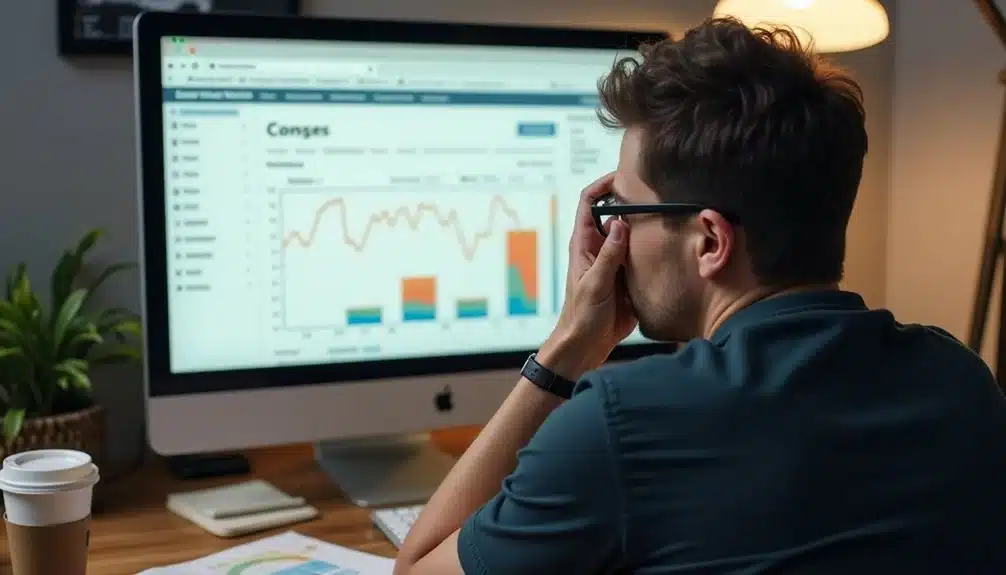
Low conversion rates can be a major red flag for your website's overall effectiveness. If you're not seeing the desired number of leads, sales, or sign-ups, it may be time to reassess your website's design and functionality. One way to identify the problem areas is by implementing A/B testing strategies. By testing different variations of your website, you can pinpoint what's working and what's not, and make data-driven decisions to improve your conversion rates.
However, A/B testing can only take you so far. To get a more nuanced understanding of what's going wrong, you need to gather user feedback. Talk to your users, either through surveys, focus groups, or one-on-one interviews, and ask them about their experience on your website. What're their pain points? What's confusing or frustrating them?
Security Is a Concern
A website's security is a critical concern that can't be ignored. You need to guarantee that your website is secure and protected from potential threats. If your website is outdated, you're likely to have website vulnerabilities that hackers can exploit. This can lead to data breaches, compromised user information, and damage to your brand's reputation.
You can't afford to have a website with security gaps. If you notice any of the following issues, it's time to redesign your website: outdated plugins and software, lack of HTTPS encryption, and weak passwords.
You should also be concerned if you've experienced a security breach in the past. A website redesign provides an opportunity to implement robust security measures, including advanced threat detection and data protection.
Investing in a secure website redesign will protect your users' sensitive information and prevent potential security threats. Don't wait until it's too late. Prioritize your website's security and take proactive measures to safeguard your users' data.
With a secure website, you can guarantee a safe and trustworthy online experience for your visitors. Regularly review your website's security and address any vulnerabilities to maintain the trust of your users.
Conclusion
Your website is the digital face of your brand, and a stale design can be a major turnoff. If you're struggling with a site that's stuck in the past, it's time to reboot. Don't let slow loading times, clunky navigation, and security concerns hold you back. A redesign can breathe new life into your online presence, boosting engagement and conversions. Take the leap and give your website the refresh it needs to thrive in the digital landscape.