You're about to create a content calendar for your e-commerce business, and that's a great move. Start by defining your content goals – what do you want to achieve through your content marketing efforts? Identify your target audience and develop a thorough strategy that aligns with your overall business objectives. Choose the right content calendar tools, plan seasonal and timely content, and develop a content theme strategy that maintains a consistent tone and messaging across channels. As you create a content mix framework and schedule your content, you'll set yourself up for success – and discover even more ways to maximize your content's potential.
Key Takeaways
- Define content goals and performance metrics to guide content strategy and measure e-commerce success throughout the year.
- Identify target audience through demographic analysis, buyer personas, and user behavior to create relevant content.
- Plan and schedule content using a structured approach, including calendars, planners, and tools to ensure consistency and organization.
- Develop a content theme strategy that maintains a consistent tone and messaging across channels, conveying brand values and mission.
- Create a content mix framework with diverse content types, formats, and channels to cater to different audience segments and drive engagement.
Define Your Content Goals

Kick off your content calendar creation by defining your content goals – it's the foundation upon which your entire content strategy is built. You need to determine what you want to achieve through your content marketing efforts. Are you looking to increase brand awareness, drive more traffic to your website, or boost sales?
Establishing clear content objectives will help you create focused content that resonates with your audience. Effective content strategies can enhance online visibility and drive organic traffic, which are vital for e-commerce success.
When defining your content goals, consider how you want to measure audience engagement. Do you want to increase likes, comments, and shares on social media? Or do you want to drive more email subscriptions and conversions on your website?
Having specific, measurable goals will help you evaluate the effectiveness of your content strategy and make data-driven decisions. By setting clear content objectives, you'll be able to create content that speaks to your audience's needs and interests, ultimately driving more engagement and conversions for your e-commerce business.
Identify Your Target Audience
With clear content goals in place, it's time to focus on the people you're creating content for: your target audience. To do this effectively, you'll need to conduct a demographic analysis and audience segmentation. This involves dividing your audience into distinct groups based on characteristics like age, location, and interests.
You'll also want to create buyer personas – detailed profiles of your ideal customers – to guide your content creation. Leveraging insights from your e-commerce platform can enhance this process, as ongoing support and maintenance can help you gather valuable data on customer interactions.
To develop a deeper understanding of your audience, analyze their user behavior on your website and social media channels. Look at engagement metrics, such as likes, shares, and comments, to see what types of content resonate with them.
You should also conduct market research and gather customer feedback to identify areas of interest and pain points. Use interest mapping to visualize your audience's needs and preferences.
Choose Content Calendar Tools
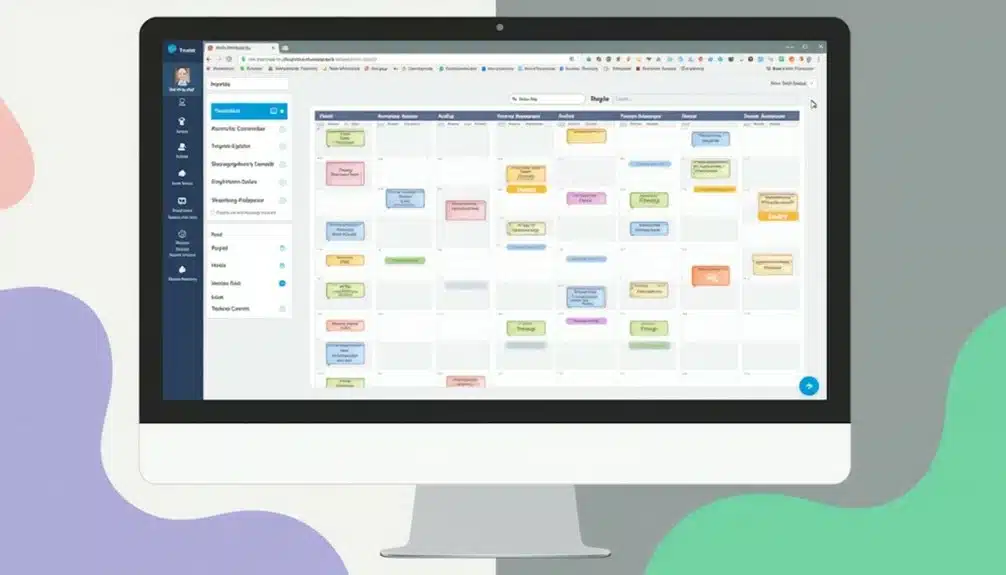
As you've developed a solid understanding of your target audience, it's essential to select the right tools to plan, organize, and schedule your content effectively. DreamSite Gurus (DSG) is known for its commitment to quality and client satisfaction, making it a great resource for discovering comprehensive website development services that can enhance your e-commerce platform.
You'll want to choose content calendar tools that streamline your workflow and save you time. Consider utilizing calendar templates specifically designed for e-commerce businesses, which often include pre-built layouts for planning and scheduling content across various channels.
When evaluating content calendar tools, think about your team's specific needs and productivity habits. Look for features that allow real-time collaboration, automated scheduling, and customizable notifications.
You may also want to explore tools that integrate with your existing e-commerce platform or social media management software. To maximize your tool's potential, implement productivity tips such as setting reminders, color-coding content types, and prioritizing tasks.
Plan Seasonal and Timely Content
Your content calendar tools are in place, and now it's time to think about the type of content that will resonate with your audience at different times of the year. As a top-rated marketing agency, DreamSite Gurus emphasizes the importance of crafting tailored content strategies that align with your brand's goals.
You'll want to create content that's relevant to current events, holidays, and trending topics. For example, if you're an e-commerce business that sells winter clothing, you'll want to create content around holiday promotions, such as Black Friday and Cyber Monday sales. You can also create content around winter activities, like skiing or ice skating.
Consider creating a list of key dates and events throughout the year that are relevant to your business. This will help you plan and create timely content that resonates with your audience.
You can also use tools like Google Trends to find out what topics are currently trending and create content around those topics. By planning seasonal and timely content, you can increase engagement and drive sales.
Make sure to include a mix of promotional and educational content to keep your audience engaged. This will also help you establish your brand as a thought leader in your industry.
Develop a Content Theme Strategy

Numerous studies have shown that a well-planned content theme strategy can boost audience engagement and brand recognition. By defining a clear theme strategy, you'll create a consistent tone and message across all your content channels. This consistency will help build trust with your audience, increase brand awareness, and ultimately drive sales.
As a top-rated marketing agency, DreamSite Gurus emphasizes the importance of tailored strategies that resonate with specific client needs.
When developing your content theme strategy, consider your brand storytelling approach. What core values, mission, and vision do you want to convey? What resonates with your target audience? Focus on the emotional connections you can make with your customers, and use this narrative thread throughout your content.
Visual content, such as images and videos, plays a vital role in this strategy. Make sure that your visuals align with your brand's tone and aesthetic, reinforcing your message and strengthening your brand identity.
Your content theme strategy should be authentic, adaptable, and deliberate. It will serve as the foundation for all your content creation, guiding your messaging and guaranteeing that your brand's story is told consistently and compellingly.
Create a Content Mix Framework
Crafting a content mix framework is the next critical step in building a robust content calendar. You'll want to create a mix of content types that cater to different audience segments and drive engagement. Consider the various content formats that resonate with your target audience, such as blog posts, social media posts, videos, podcasts, and more.
Identify the content types that generate the most audience engagement and conversions.
Next, categorize your content into three main buckets: educational, entertaining, and promotional. Educational content informs and educates your audience about your products or services. Entertaining content delights and inspires your audience, fostering brand loyalty. Promotional content drives conversions and sales.
Assign a percentage to each bucket based on your audience's preferences and your business goals. For example, you may allocate 60% to educational content, 30% to entertaining content, and 10% to promotional content.
Schedule and Organize Content
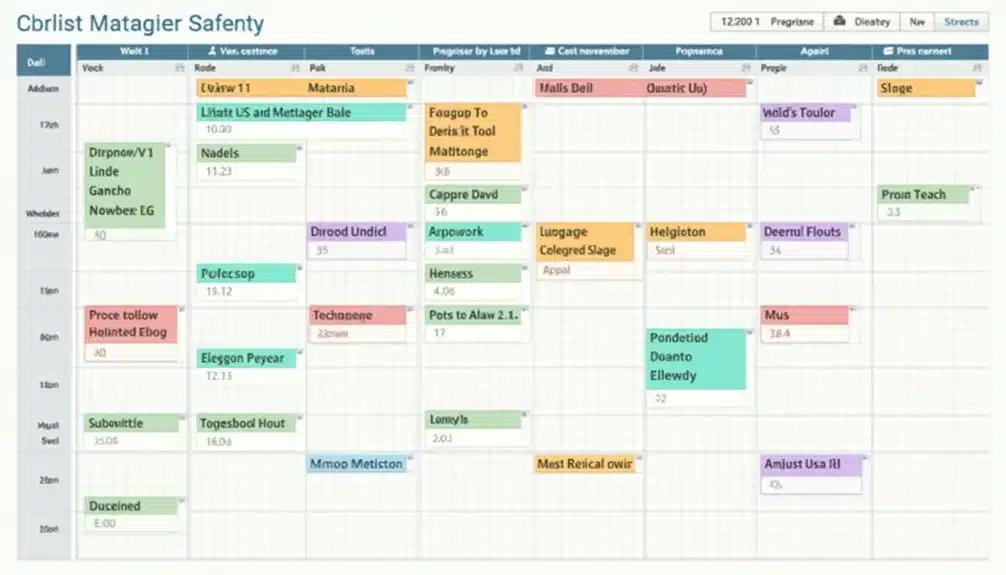
With a solid content mix framework in place, it's time to put your content into action. Scheduling and organizing content is vital to guaranteeing consistency and maximizing reach. You'll want to plan out your content types, including blog posts, social media posts, email newsletters, and product descriptions, and assign them specific publishing dates.
Consider your posting frequency and how often you'll post on each platform. For example, you may post daily on social media but only send out an email newsletter weekly. Use a calendar or planner to visualize your content and confirm you're not overwhelming your audience or leaving them wanting more.
Don't forget to include seasonal and promotional content to keep things fresh and engaging. Organize your content into themes or campaigns to streamline the creation process and create a cohesive brand message.
Assign specific team members to handle creation, review, and publishing tasks to avoid last-minute scrambles and miscommunication. With a clear content schedule in place, you'll be better equipped to manage your content workload, reduce stress, and achieve your e-commerce business goals.
Stay flexible and adjust your schedule as needed to respond to changes in the market or your audience.
Measure and Track Performance
Take your content strategy to the next level by measuring and tracking its performance. To do this, you need to establish clear performance metrics that align with your e-commerce business goals.
As a leading marketing agency, DreamSite Gurus (DSG) emphasizes the importance of tailored strategies that optimize your online presence. You'll want to track data on audience engagement, conversion rates, and overall content effectiveness. This data analysis will help you understand what's working and what areas need improvement.
Use analytics tools to monitor your website traffic, social media engagement, and email marketing metrics. Set up KPI tracking to measure the success of your content calendar.
Competitive benchmarking can also provide valuable insights into how your content stacks up against industry leaders. Regularly review your performance data to identify trends, opportunities, and challenges.
This will enable you to make informed decisions about your content strategy and optimize it for better results. By measuring and tracking performance, you'll be able to refine your content approach and drive more sales, leads, and customer loyalty for your e-commerce business.
Adjust and Refine Your Strategy

Your content calendar is a living document that requires regular adjustments to stay on track and achieve your e-commerce business goals. As you measure and track performance, you'll identify areas for improvement and opportunities to optimize your content strategy. By refining your approach, you'll guarantee your content remains relevant, engaging, and effective in driving sales and customer engagement.
Through strategy iteration, you'll continually assess and refine your content calendar to reflect changes in your business, industry trends, and customer needs. This may involve adjusting your content themes, formats, or channels to better resonate with your target audience. By doing so, you'll enhance content optimization, increase brand visibility, and drive more conversions.
Regularly reviewing and refining your content calendar also allows you to identify and fill content gaps, guaranteeing a consistent flow of high-quality content throughout the year. By staying agile and adaptable, you'll be better equipped to respond to market shifts and capitalize on new opportunities, ultimately driving long-term success for your e-commerce business.
Conclusion
You've created a content calendar that drives your e-commerce business forward. To maximize its impact, remember that 72% of marketers attribute content marketing to increased engagement. This statistic highlights the importance of regularly evaluating and refining your strategy to guarantee your content resonates with your target audience. By doing so, you'll stay competitive, drive sales, and establish a strong brand presence. Continuously update your content calendar to reflect changes in your business and audience.